Forestry mulching, lot clearing, and site prep across Port St. Lucie — free, itemized quotes for the ground you own.
St. Lucie Land Clearing connects Treasure Coast property owners with a local land clearing contractor for forestry mulching, palmetto and Brazilian pepper removal, lot clearing, grubbing, grading, and site-development support. Work is scoped around sandy flatwoods, shallow drainage, protected vegetation, canal edges, and the vegetation-removal rules that can change from a Port St. Lucie infill lot to unincorporated acreage.
Port St. Lucie and unincorporated St. Lucie County do not share one clearing desk. The parcel address determines which vegetation and development process starts the file.
City code · County Environmental ResourcesPotentially occupied gopher tortoise burrows are identified before clearing, grading, or equipment staging. The plan avoids 25 feet or follows the applicable FWC permit route.
Florida Fish and Wildlife guidanceRoadside swales, canals, wet detention, and soft preserve edges stay visible in the work plan. County material informs regional and unincorporated conditions; Port St. Lucie remains responsible for its municipal system.
Verify city or county stormwater authority by parcel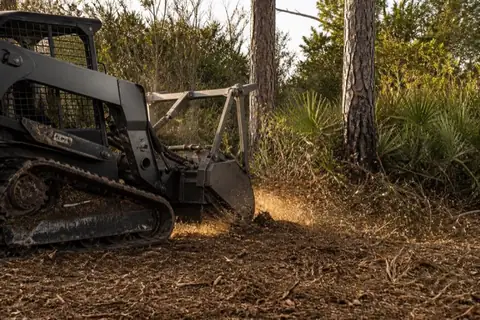
Track-carrier mulching for palmetto, gallberry, pepper, and young pine growth, with selected trees and drainage paths left visible.
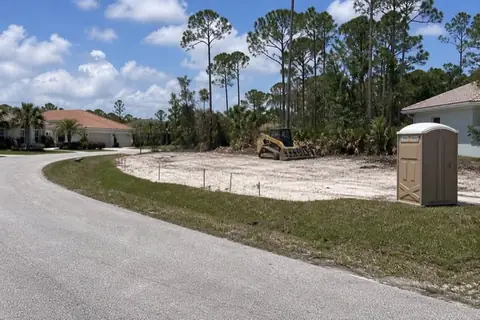
From survey stakes to a clean homesite: selective tree removal, grubbing, debris handling, erosion control, and rough grade in one scope.
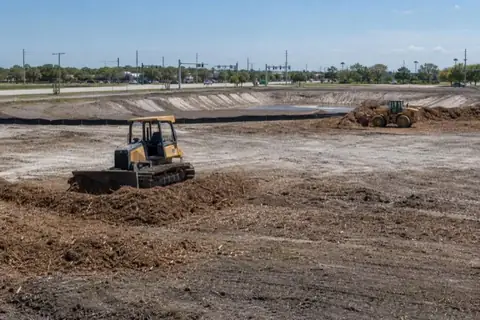
Phased clearing, grubbing, debris processing, stabilized access, and rough grade coordinated with the approved commercial site plan.
| Growth on the ground | Palmetto · pepper · pines |
| Machine movement | Gate · turns · soft areas |
| Final condition | Mulched · grubbed · graded |
| Material plan | Chip · stockpile · haul |
| Protected limits | Buffers · burrows · water |
| Next land use | Maintain · build · develop |
A wooded quarter-acre and an open acre are not interchangeable. The free walk turns site conditions into a written scope you can evaluate.
Walk My ParcelSurvey corners, access, swales, utilities, keeper vegetation, and the intended footprint are found before production begins.
Burrows, buffers, neighboring property, drainage, and retained trees receive visible limits that remain clear from the cab.
Brush is mulched, roots are grubbed where required, and logs or mixed material follow the disposal scope.
The approved area is left at the specified finish — maintainable cover, open access, or rough grade for the next trade.
Describe the usable footprint, access, vegetation, and the finish the next trade needs. The responding provider turns those field conditions into a written scope.
Describe the ground and the next use. A local provider follows up to arrange the site walk.
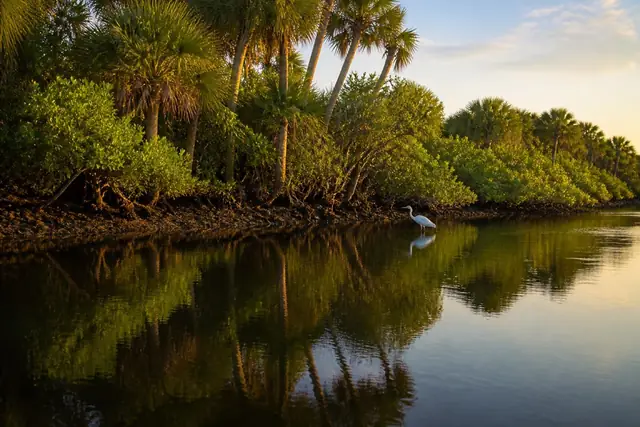

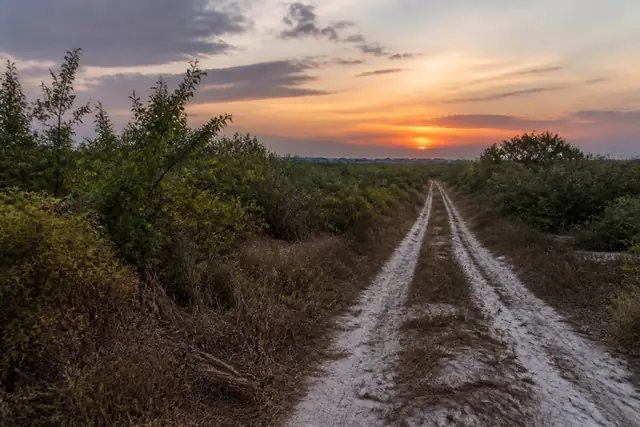
Treasure Coast coverage · diagram not to scale
The quote follows what the machine must actually do: palmetto and stem density, tree diameter, wet ground, root removal, disposal, access width, and the finish needed afterward. A surface-mulched maintenance cut is a different job from a grubbed and graded building pad, so this site routes each request for a free parcel walk and an itemized number.
No. A parcel inside the City of Port St. Lucie starts with city land-clearing provisions, while unincorporated communities use St. Lucie County environmental procedures. The address, proposed use, vegetation, and protected resources are checked before the scope is scheduled rather than assuming one rulebook covers the whole Treasure Coast.
Mulching reduces growth at the surface and leaves roots in place, which suits access, view lanes, and acreage maintenance. Grubbing removes roots and organic material from structural areas. Many projects use both: mulch the ground that will remain open, then grub only the drive, pond, pad, or utility corridor.
Florida Fish and Wildlife guidance uses 25 feet as the threshold around a gopher tortoise burrow that may be occupied. Bringing land clearing, grading, construction, or parked heavy machinery any closer is treated as a disturbance. The work area can avoid that space, or the applicable permit and relocation path must be completed before the machine enters it. Burrows belong on the first walk, not the final inspection.
Land-clearing burns are regulated by the Florida Forest Service and require authorization. Neighborhood access, smoke, setbacks, weather, suppression equipment, and the material itself can make mulching, chipping, or hauling the practical choice. Any burn proposal is priced and permitted as its own disposal method, never treated as the automatic default.
St. Lucie Land Clearing is an independent local marketing site. Calls and forms are connected to a local land clearing provider who can walk the parcel, prepare the estimate, and discuss the work directly with you. The quote is free, and sending a request does not require you to hire anyone.